Stretching over 2,500 kilometers along Ireland's rugged western coastline, the Wild Atlantic Way is more than just a driving route—it's an immersive experience into some of the most dramatic and unspoiled landscapes in Europe. From the windswept cliffs of Donegal to the serene bays of Cork, this journey offers a profound connection with nature, culture, and the raw beauty of the Atlantic Ocean. Each twist and turn of the road reveals a new vista, a hidden beach, or a charming village that seems to exist outside of time.
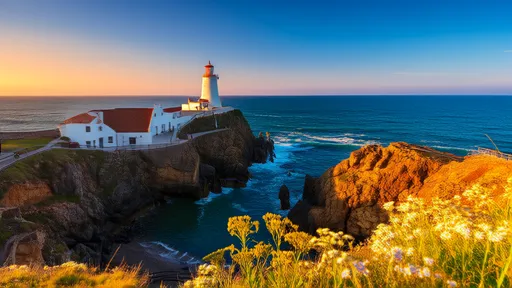
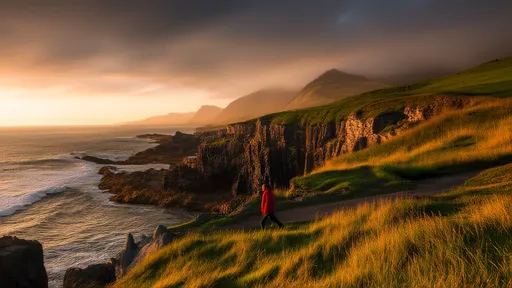
The northern stretches of the route, beginning in County Donegal, immediately set the tone for the adventure ahead. Here, the landscape is wild and untamed, with sheer cliffs plunging into the churning ocean below. Malin Head, Ireland's northernmost point, offers panoramic views that stretch endlessly toward the horizon, while the nearby Fanad Peninsula boasts a lighthouse perched precariously on rocky outcrops, guiding ships through treacherous waters. The air is crisp and salty, carrying the cries of seabirds and the distant roar of waves crashing against the shore.
As you journey southward, the scenery evolves, revealing the unique character of each region. County Mayo's Achill Island is a place of stark beauty, where towering sea cliffs and expansive beaches create a sense of isolation and tranquility. The island's history is etched into its landscape, from ancient stone forts to abandoned villages that whisper stories of resilience and hardship. Further along, the Connemara National Park invites exploration with its vast expanses of bogland, rugged mountains, and shimmering lakes, offering a glimpse into Ireland's wild heart.
No discussion of the Wild Atlantic Way would be complete without mentioning Cliffs of Moher, one of Ireland's most iconic landmarks. Rising over 200 meters above the Atlantic, these cliffs are a testament to the raw power of nature. On a clear day, the views extend to the Aran Islands and beyond, while the sound of the wind and the sight of countless seabirds nesting on the sheer rock faces create an unforgettable sensory experience. Nearby, the Burren region contrasts sharply with its limestone pavements and unique flora, offering a landscape that feels almost otherworldly.
The western reaches of the route, particularly in County Kerry, are often considered the crown jewel of the Wild Atlantic Way. The Ring of Kerry is a circular drive that encapsulates the very essence of Ireland's natural beauty, with lush green valleys, pristine lakes, and coastal roads that cling to the edge of cliffs. Skellig Michael, a UNESCO World Heritage site visible from the coast, adds a layer of mystique with its ancient monastic settlement perched atop a rocky island, seemingly untouched by time.
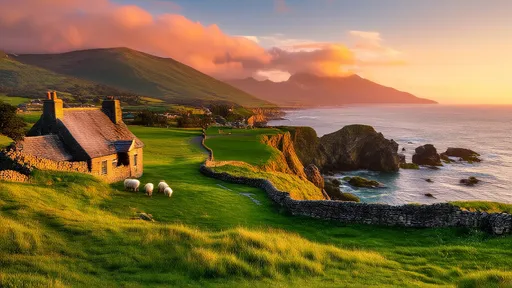
County Clare offers its own unique attractions, such as the Loop Head Peninsula, where dramatic cliffs and rolling hills meet the relentless Atlantic. The peninsula's lighthouse has stood guard for centuries, its beam cutting through the fog and darkness to guide mariners safely to shore. Further south, the Dingle Peninsula enchants visitors with its vibrant Gaelic culture, traditional music sessions in cozy pubs, and roads that wind through landscapes dotted with ancient ruins and sheep grazing on emerald slopes.
As the route continues into County Cork, the atmosphere becomes softer, though no less captivating. Mizen Head, Ireland's southwesternmost point, offers breathtaking views of the ocean meeting the sky, while the nearby Sheep's Head Peninsula is a haven for hikers and nature lovers, with trails that meander through quiet valleys and along secluded coves. The town of Kinsale, known as the gourmet capital of Ireland, provides a delightful contrast with its colorful buildings, bustling harbor, and world-class restaurants serving fresh seafood caught just offshore.
Throughout the journey, the Wild Atlantic Way is dotted with charming villages and towns that serve as perfect pit stops. Places like Westport in County Mayo, with its tree-lined streets and traditional architecture, or Doolin in County Clare, renowned for its lively traditional music scene, offer warm hospitality and a chance to connect with local culture. Each community along the route has its own story to tell, whether it's through centuries-old festivals, artisan crafts, or simply the genuine friendliness of its people.
The ever-changing weather along the Wild Atlantic Way is an integral part of the experience. One moment, the sun may be shining brightly, illuminating the landscape in vivid hues of green and blue; the next, a misty rain might roll in from the ocean, shrouding the cliffs in mystery and adding a dramatic atmosphere to the journey. This unpredictability only enhances the sense of adventure, reminding travelers that they are at the mercy of nature's whims.
For those seeking outdoor activities, the route offers endless opportunities. From surfing the Atlantic swells at Lahinch or Bundoran to hiking the rugged trails of Slieve League or kayaking in the sheltered bays of Kenmare, there is no shortage of ways to immerse oneself in the natural surroundings. Wildlife enthusiasts can spot dolphins, seals, and even whales off the coast, while history buffs will find ancient ruins, medieval castles, and prehistoric sites around every corner.
Accommodations along the Wild Atlantic Way range from cozy bed-and-breakfasts run by welcoming locals to luxurious castles and eco-friendly retreats, ensuring that every traveler can find a place to rest that suits their style. Many of these establishments pride themselves on using locally sourced ingredients, offering a taste of the region's culinary delights, from freshly baked soda bread to succulent lamb and artisan cheeses.
As the journey draws to a close in the southernmost parts of Cork, the landscape gradually softens, giving way to sheltered inlets and gentle hills. Yet, the spirit of the Wild Atlantic Way remains strong, leaving an indelible mark on all who traverse its length. It's a route that demands to be experienced slowly, with time to stop, explore, and simply absorb the beauty that surrounds you.
In the end, the Wild Atlantic Way is more than just a scenic drive—it's a pilgrimage for the soul, a reminder of the timeless allure of the natural world, and an invitation to discover the heart and spirit of Ireland's wild western edge. Whether you're a first-time visitor or a seasoned traveler, this journey promises memories that will last a lifetime, captured in the crashing waves, the soaring cliffs, and the warm smiles of the people who call this magnificent coastline home.
By /Sep 1, 2025
By /Sep 1, 2025
By /Sep 1, 2025
By /Sep 1, 2025
By /Sep 1, 2025

By /Sep 1, 2025
By /Sep 1, 2025
By /Sep 1, 2025
By /Sep 1, 2025
By /Sep 1, 2025
By /Sep 1, 2025

By /Sep 1, 2025
By /Sep 1, 2025
By /Sep 1, 2025
By /Sep 1, 2025
By /Sep 1, 2025

By /Sep 1, 2025

By /Sep 1, 2025
By /Sep 1, 2025
By /Sep 1, 2025