The traditional three-meal structure that has long defined Western eating habits is quietly disintegrating. For generations, the rhythm of breakfast, lunch, and dinner served as the culinary backbone of daily life, a schedule dictated by work hours, school bells, and cultural norms. Yet, a profound shift is underway, one that is dismantling these rigid timelines and replacing them with a more fluid, personalized, and opportunistic approach to eating. This phenomenon, known as Snackification, is not merely about the rise of the potato chip or the protein bar; it is a fundamental restructuring of our relationship with food, signaling the decline of the formal meal and the ascendancy of the small, frequent bite.
The drivers behind this culinary revolution are as interconnected as they are powerful. The most undeniable force is the relentless pace of modern life. The nine-to-five workday, for many, has been replaced by gig economy hustles, round-the-clock connectivity, and blurred lines between office and home. In this environment, sitting down for a thirty-minute lunch feels less like a break and more like a luxury or, worse, an inefficient use of time. The demand for convenience has skyrocketed, creating a fertile ground for grab-and-go options that promise sustenance without the slowdown. This need for efficiency is perfectly married to the digital age, where a few taps on a smartphone can summon a curated box of artisanal snacks or a smoothie to your doorstep, making the act of foraging for food easier than ever before.
Beyond logistics, a significant cultural evolution is fueling the trend. There is a growing, conscious rejection of the old rules and schedules imposed by previous generations. Millennials and Gen Z, in particular, champion a philosophy of eating that is intuitive and individualized—consuming what they want, when they want it, based on their body’s cues rather than the clock on the wall. This do-it-yourself approach to nutrition dismantles the authority of the scheduled meal. Furthermore, a heightened global focus on health and wellness has recast the role of snacks. They are no longer viewed as guilty pleasures but as functional tools. The market is now flooded with products designed to boost energy, aid digestion, build muscle, or enhance focus, transforming snacking from a mindless act into a strategic one.
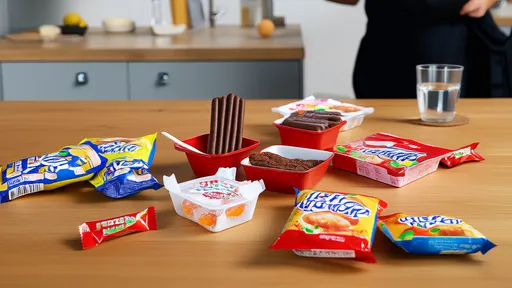
The marketplace has responded to these societal shifts with explosive innovation. The snack aisle has exploded, expanding far beyond its traditional borders to occupy entire store sections and dedicated retail spaces. This is no longer just about chips and candy. The modern definition of a snack encompasses a vast spectrum: refrigerated protein packs with cheese and nuts, plant-based energy balls, cold-pressed juices, yogurt parfaits, mini avocado toasts, and single-serving hummus cups. Supermarkets have adapted with dedicated snack zones, and vending machines now dispense everything from fresh salads to gourmet coffee. The restaurant industry, too, has pivoted dramatically, with many establishments emphasizing small plates, tapas-style menus, and shareable appetizers that encourage grazing over ordering a single large entrée.
This seismic shift away from structured meals carries profound and dual-edged implications for health and nutrition. On the positive side, Snackification can facilitate better metabolic health. The concept of grazing—consuming smaller amounts of food more frequently—can help maintain stable blood sugar levels, preventing the dramatic spikes and crashes associated with large, heavy meals. It also allows individuals to tailor their nutrient intake more precisely throughout the day, consuming a dose of protein after a workout or some complex carbohydrates before a mentally demanding task. This level of dietary customization was difficult to achieve within the confines of three square meals.
However, the dark side of this trend is the ever-present risk of mindless overconsumption. The constant availability of tasty, often hyper-palatable foods can lead to passive calorie intake, where one consumes a significant number of calories without ever feeling like they've had a proper meal. Portion distortion is a real threat, as it can be deceptively easy to eat multiple 200-calorie snack packs, vastly exceeding the calorie count of a single, satiating plate of food. The nutritional quality of choices is also a major concern. While healthy options abound, so do highly processed snacks loaded with refined sugars, unhealthy fats, and sodium, posing a significant risk to long-term health if they become dietary staples.
The economic ripple effects of Snackification are transforming the global food industry. Major food conglomerates and agile startups are locked in a fierce battle for a share of the consumer's stomach throughout the day. Investment is pouring into research and development for new snack products at an unprecedented rate. This has sparked a wave of competition centered on health claims, clean labels, and sustainable packaging. For producers, the profit margins on individually packaged snack items are often significantly higher than on raw ingredients or whole meals, creating a powerful financial incentive to fuel the trend further. The entire supply chain, from agriculture to packaging manufacturing, is reorganizing to support the demand for small-format, portable, and shelf-stable food products.
Looking forward, the Snackification trend shows no signs of abating. If anything, it is poised to become more sophisticated and integrated into our lives. Future growth will likely be driven by several key factors. Personalization will reach new heights, with subscription services and AI-powered apps recommending snacks based on an individual's DNA, gut microbiome, daily activity level, and even stress markers. Sustainability will move from a niche concern to a central product feature, with consumers demanding snacks that are not only good for them but also for the planet, leading to innovations in upcycled ingredients and biodegradable packaging. Finally, the fusion of technology and food will deepen, with smart snacks embedded with nutrients that release at specific times or designed to target very specific health outcomes.
In conclusion, the move away from the three-meal day is far more than a fleeting dietary fad. Snackification is a robust, multifaceted trend deeply rooted in the technological, economic, and social realities of the 21st century. It represents a broader cultural movement toward individualism, convenience, and a functional view of food. While it presents clear challenges, particularly in the realms of nutrition and consumption habits, it also offers unprecedented flexibility and personalization. The formal family dinner may not vanish entirely, but its dominance has certainly ended. We have entered a new era of eating, characterized not by the clock, but by the constant, casual bite.

By /Aug 29, 2025

By /Aug 29, 2025

By /Aug 29, 2025

By /Aug 29, 2025

By /Aug 29, 2025
By /Aug 29, 2025
By /Aug 29, 2025
By /Aug 29, 2025
By /Aug 29, 2025
By /Aug 29, 2025
By /Aug 29, 2025
By /Aug 29, 2025
By /Aug 29, 2025
By /Aug 29, 2025

By /Aug 29, 2025
By /Aug 29, 2025

By /Aug 29, 2025
By /Aug 29, 2025

By /Aug 29, 2025
By /Aug 29, 2025